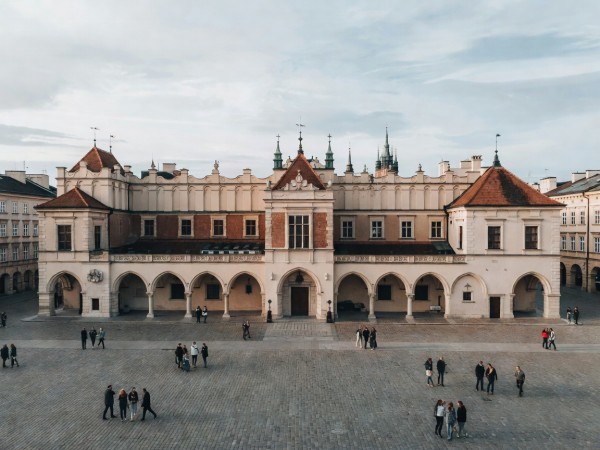
Kraków, Poland
A pedestrian-friendly historic core surrounded by the Planty park makes navigating between Wawel Castle and the Kazimierz district effortless and free of transit costs.
View city profile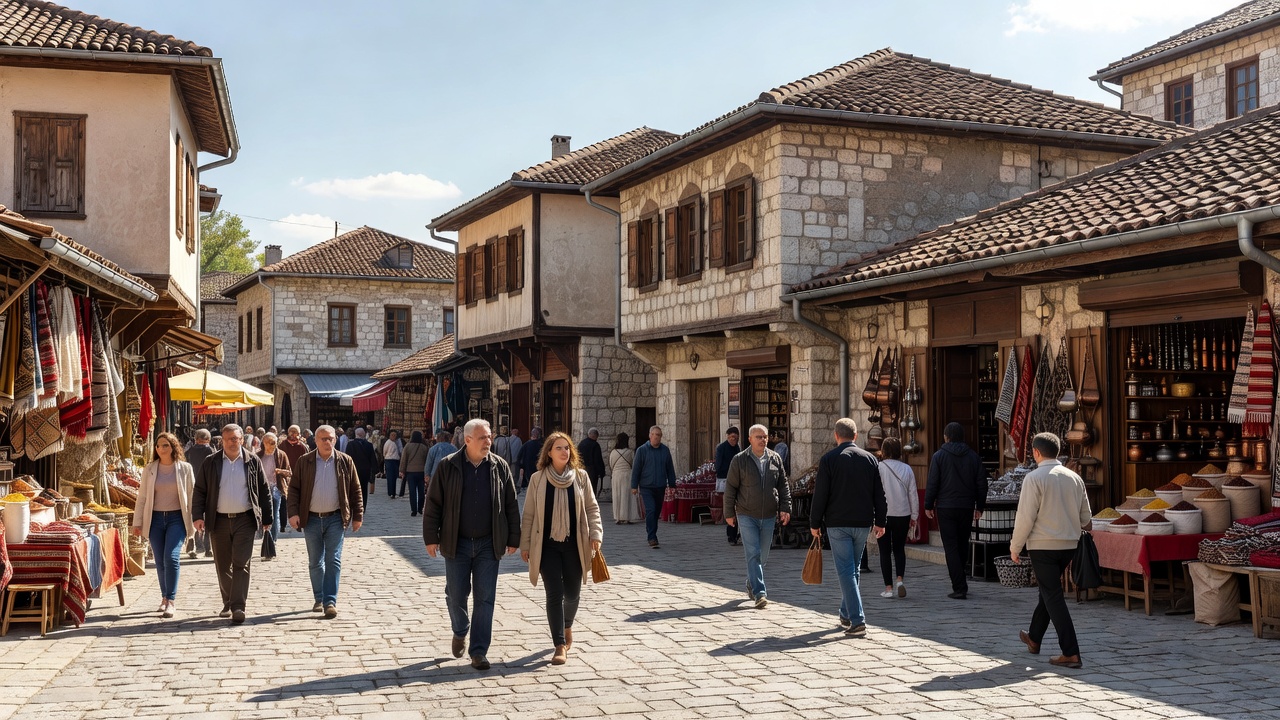
Understanding the structural reasons why a trip to certain European regions costs less, from compact walkable centers to reliable local transport networks.
Compare Places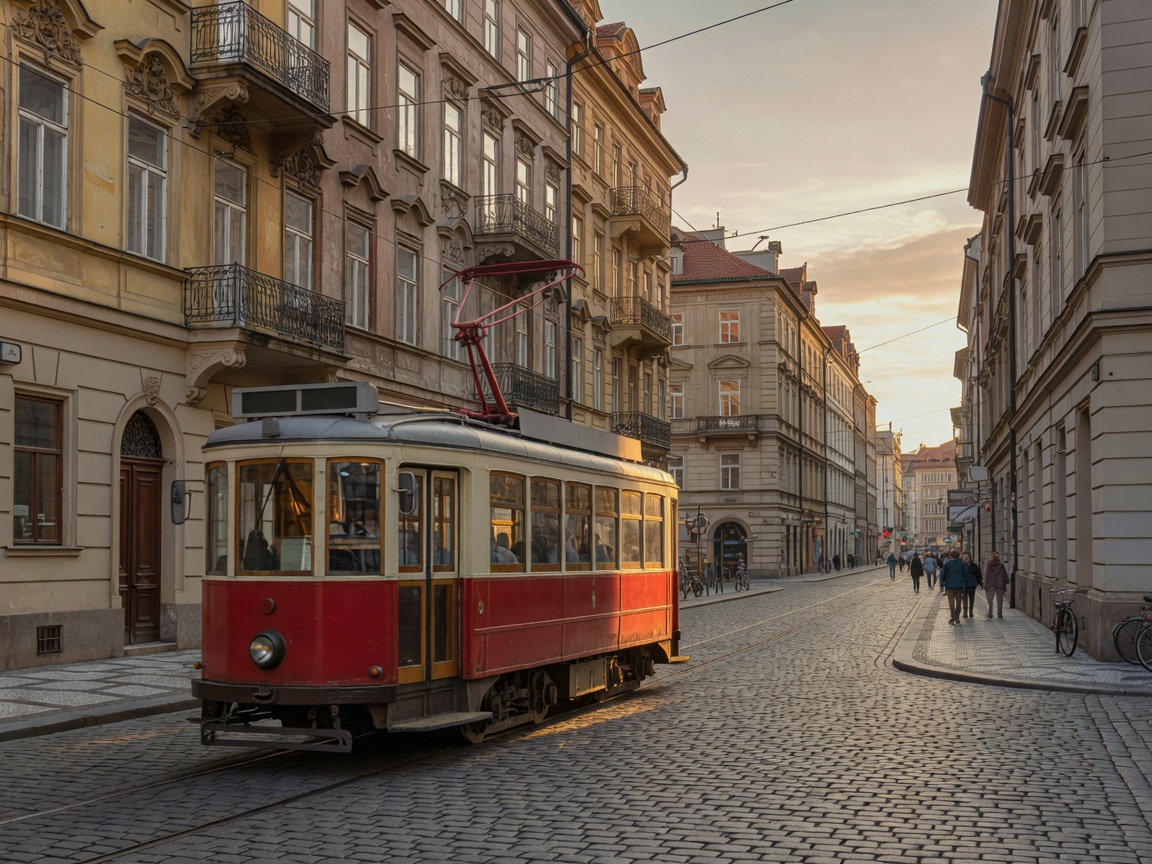
Finding value in European travel is rarely about securing a secret discount. It is about choosing destinations where the underlying structure of the place works in your favor. When a city is compact, you walk instead of taking taxis. When local public transport is comprehensive and priced for residents, you do not need to rent a car. When eating out is a normal daily activity for locals rather than a luxury reserved for special occasions, the standard of mid-range dining improves while prices remain stable.
We look at locations where the geography, infrastructure, and local economy naturally lead to a lower daily expenditure without requiring you to endure uncomfortable compromises or miss the essential character of the region.
Major hubs where culture and history remain accessible without premium capital-city markups.
A pedestrian-friendly historic core surrounded by the Planty park makes navigating between Wawel Castle and the Kazimierz district effortless and free of transit costs.
View city profile
Dense Art Nouveau architecture and a consolidated central market provide deep cultural immersion, supported by an extensive, low-cost tram network.
View city profile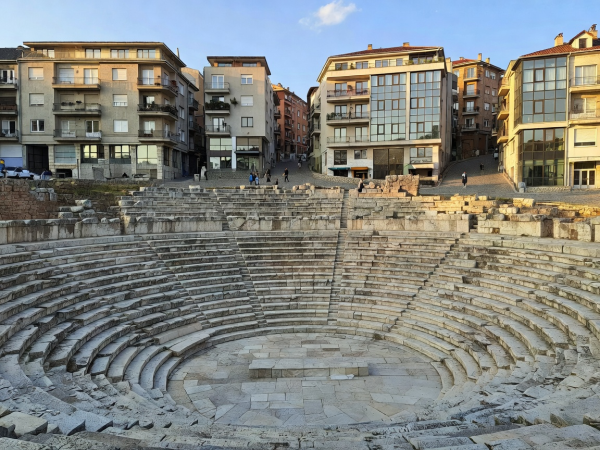
Built across seven hills, Europe's oldest continuously inhabited city integrates Roman ruins directly into the pedestrian shopping streets, eliminating entry fees for major sights.
View city profile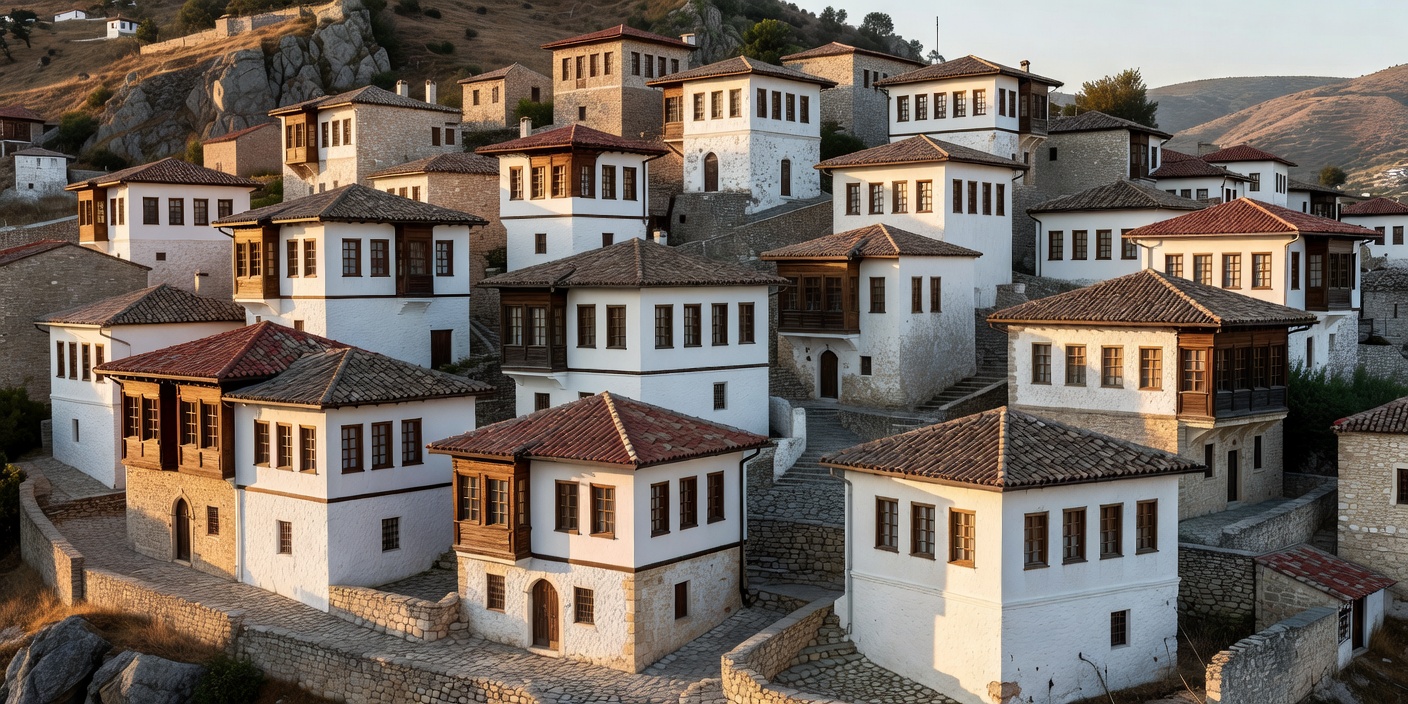
Known as the City of a Thousand Windows, Berat exemplifies the value of secondary towns. The primary activity is walking the steep, winding paths between the Mangalem and Gorica neighborhoods across the Osum River. Because the town is the attraction, daily expenditure drops significantly. Family-run guesthouses provide accommodation at a fraction of coastal resort prices, and the local culinary tradition relies on accessible regional produce rather than imported luxury goods.
Explore Towns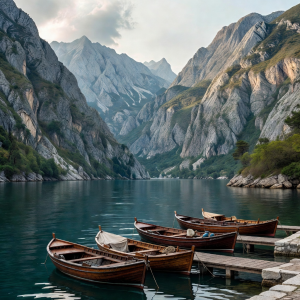
Dramatic fjord-like bay scenery integrated with a fortified medieval town, offering natural swimming spots without the private beach club fees found elsewhere on the Adriatic.
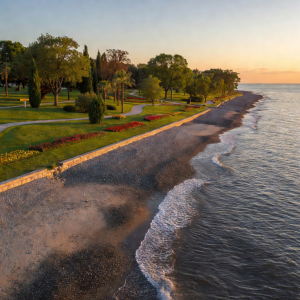
A functioning port city that happens to have broad public beaches. The massive Sea Garden park provides free coastal recreation, supported by ordinary city amenities.
Mountain regions and national parks offer inherent value: the landscape is the primary draw, and access is often public and unrestricted.
The Tatra Electric Railway connects the main trailheads and base villages (like Starý Smokovec and Štrbské Pleso) for minimal cost. Unlike heavily commercialized Alpine ski resorts, the focus here remains on self-guided hiking through clearly marked terrain. Mountain huts (chaty) offer hearty, fixed-price meals to walkers, ensuring mid-day breaks do not erode the daily budget.
Read more about outdoor value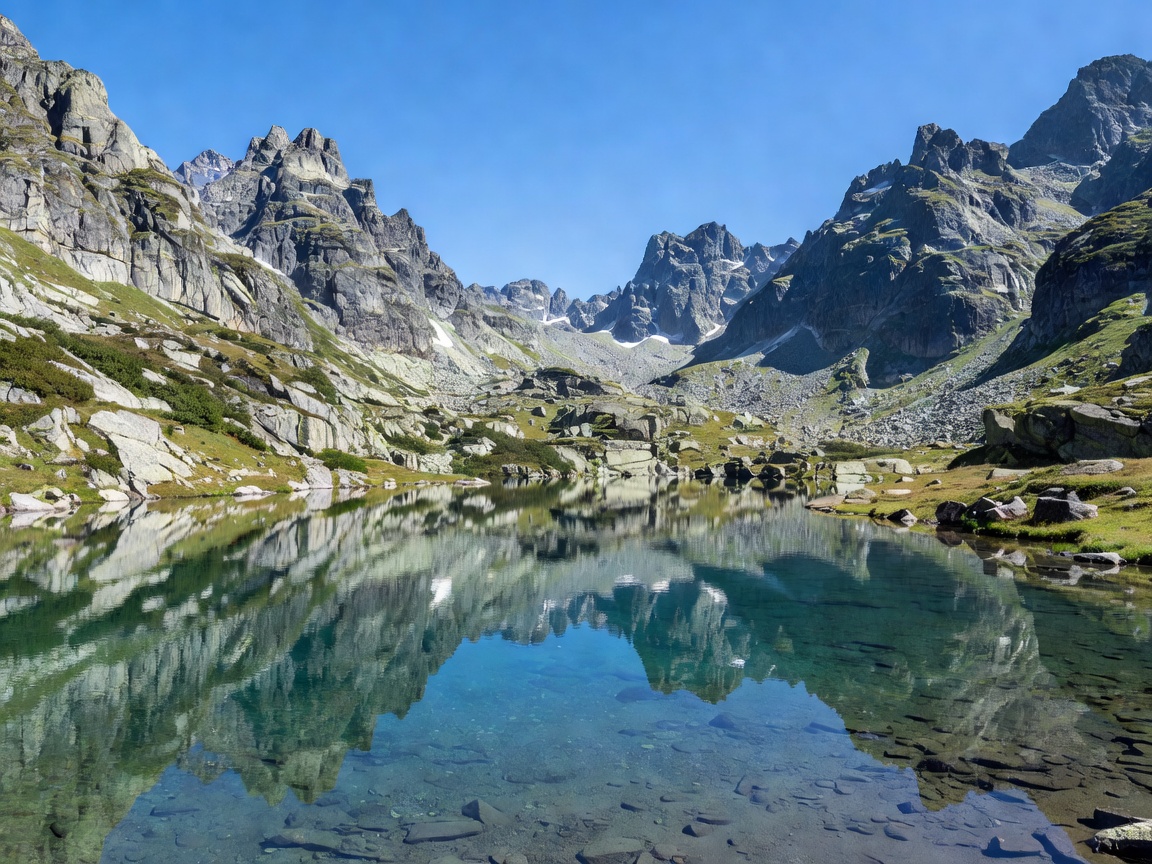
Comparing the structural expenses that define a trip's financial footprint.
We analyze the infrastructure of destinations to help you understand why they cost what they do. We do not sell tours, push affiliate hotel links, or promise unrealistic bargains. Just clear, comparative information.
Our Value ApproachWe use necessary cookies to run the site and, with your consent, optional ones to measure visits. You can change this at any time. Cookie policy