The Pedestrian Advantage: Kraków

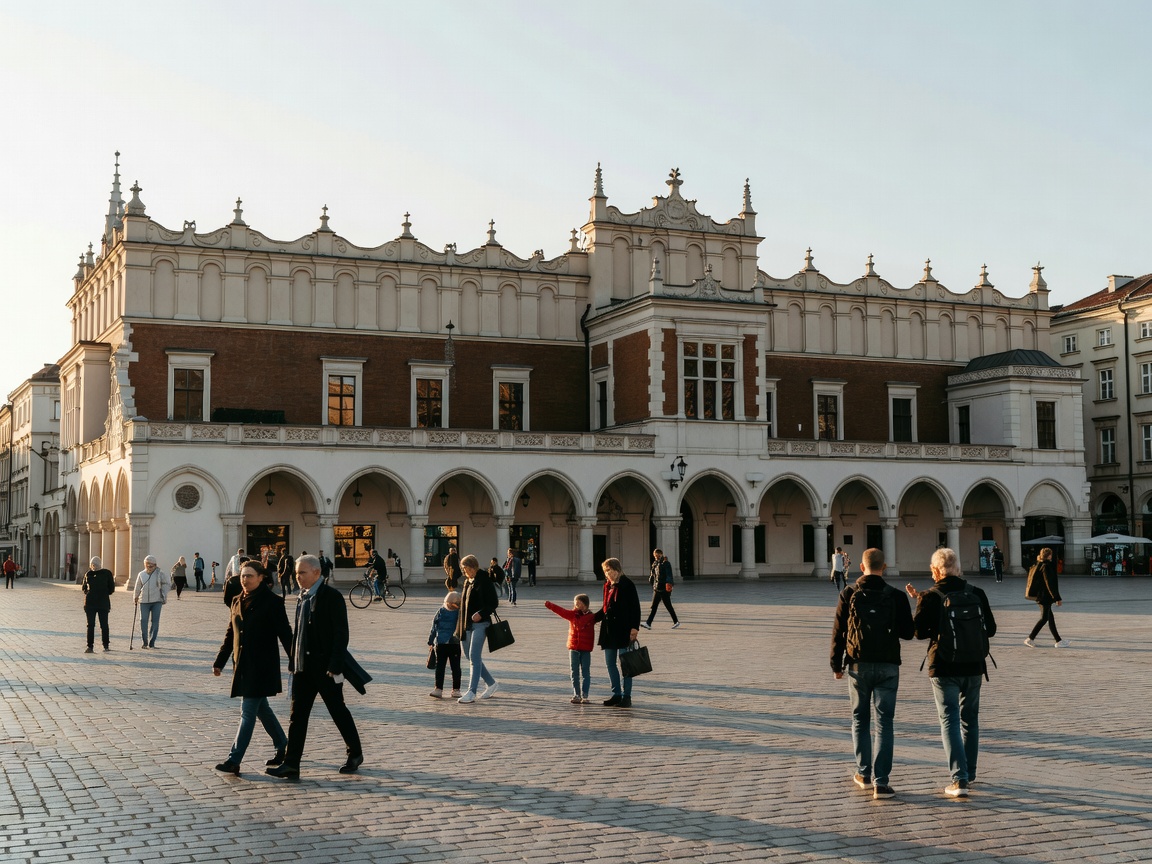
People walking through the Main Market Square in Kraków, passing the Cloth Hall

Kraków demonstrates how urban preservation acts as a budget safeguard. The historic center (Stare Miasto) is entirely encircled by the Planty, a continuous park built over the old moat. This clear boundary means the vast majority of historical architecture, from the Main Market Square to Wawel Castle, is densely packed within a 20-minute walking radius.

Because you rarely need transit to move between points of interest, transport costs drop to near zero. Furthermore, the city's large student population sustains a network of milk bars (bar mleczny) and casual bakeries (piekarnia) right alongside the historic core, preventing the total commercialization of the center into high-priced tourist-only dining zones.
Crossroads Culture: Sarajevo

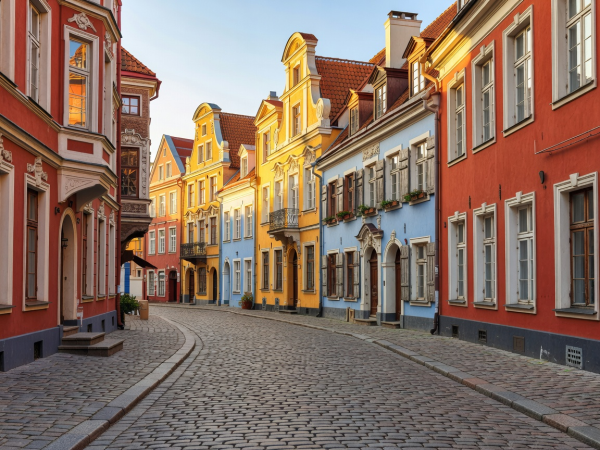
Baltic Consolidation: Riga and Tallinn

The Baltic capitals offer dense, highly preserved medieval and Art Nouveau centers. Rather than sprawling suburbs housing the attractions, everything of note is consolidated.

Elaborate facade of an Art Nouveau building in Riga

Riga's Architecture

Walking the Alberta iela district to view the intricate Art Nouveau facades costs nothing. Riga Central Market, housed in converted Zeppelin hangars, provides fresh regional produce, smoked fish, and dark rye bread, allowing for high-quality, low-cost self-catering that feels culturally authentic rather than a compromise.

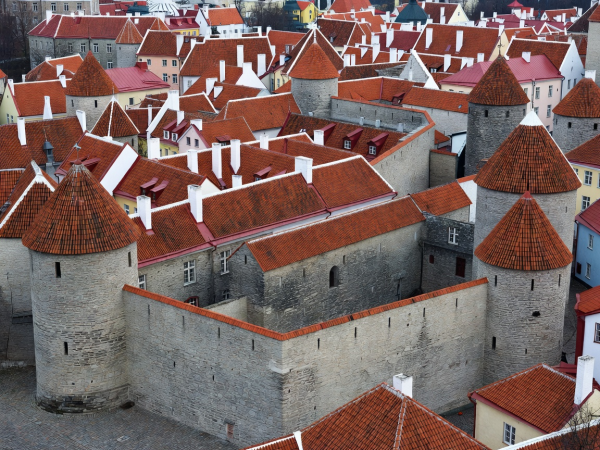
Red tiled roofs and medieval stone walls of Tallinn

Tallinn's Upper and Lower Towns

While Tallinn has seen price increases, its structure remains favorable. The division between Toompea (Upper Town) and the Lower Town provides natural viewing platforms (like Kohtuotsa) for panoramic views of the Baltic Sea and medieval spires, removing the need to pay for observation deck tickets.