The Public Domain

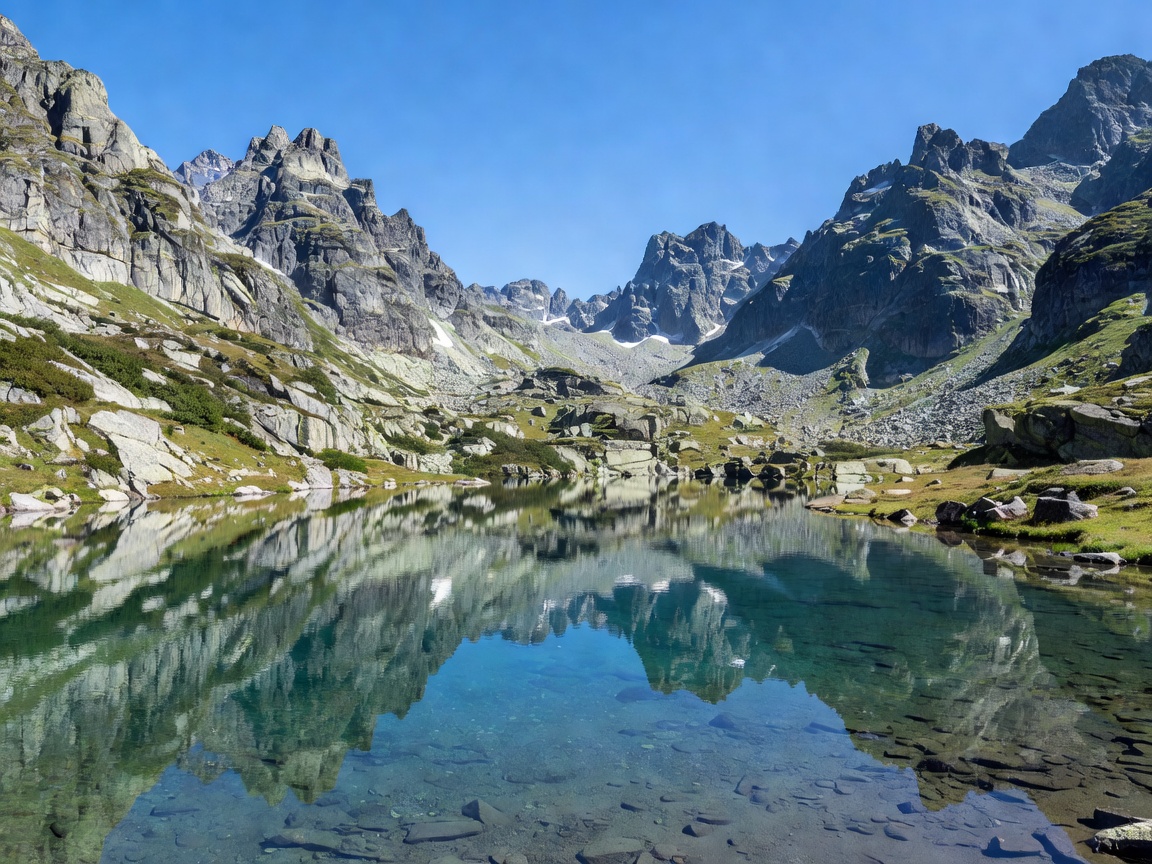
Hikers walking along a rocky path near a high alpine lake in the Tatra Mountains

High Tatras, Slovakia & Poland

The structural advantage of mountain travel is that the primary activity—walking—is free. The High Tatras represent the smallest alpine mountain range in the world, tightly packing dramatic granite peaks and glacial lakes (plesá) into a highly accessible area.

Unlike regions where private land ownership restricts movement, national parks in this region guarantee extensive, meticulously waymarked trail networks. The network of mountain huts (chaty) serves a dual purpose: providing emergency shelter and serving hot, heavily regulated, and sensibly priced meals like garlic soup (cesnaková polievka) and steamed dumplings, removing the necessity of carrying heavy provisions from the valley floor.

Base Camp Strategy

Monastic Valleys and Glacial Lakes

Protected areas often combine historical sites with natural preservation, offering two profound experiences for the logistical effort of one.

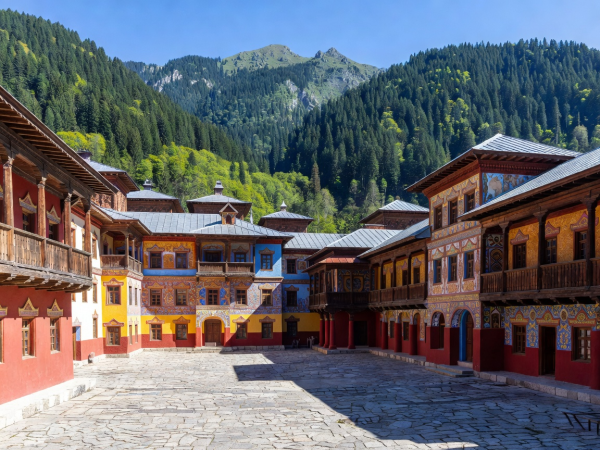
The colourful courtyard of Rila Monastery surrounded by forested mountains

Rila National Park, Bulgaria

Home to the highest peaks in the Balkans, Rila is anchored by the spectacular 10th-century Rila Monastery. The monastery complex is free to enter and explore. From here, trails lead up toward the Seven Rila Lakes. The reliance on simple bus connections from Sofia ensures this magnificent alpine environment remains accessible to the domestic population, holding costs steady.
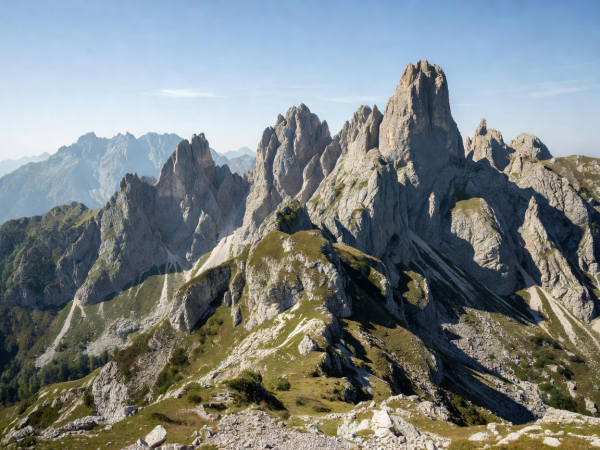
Rugged limestone peaks reaching into the sky in the Albanian Alps

The Accursed Mountains, Albania

The Valbona to Theth hike has become a classic European trek. The value is derived from its remoteness; there are no cable cars or luxury spas. Transportation involves a spectacular public ferry ride up Lake Koman. Accommodation relies entirely on village guesthouses providing hearty, fixed-menu dinners, ensuring absolute predictability in daily expenditure.